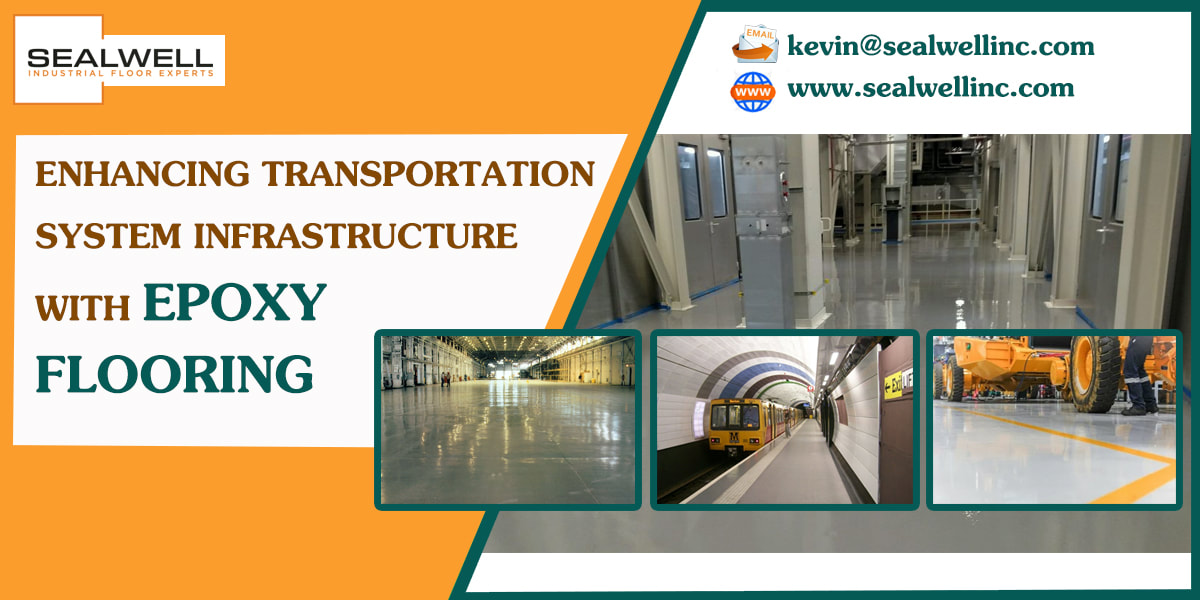
 Transportation systems are the backbone of modern societies, enabling people and goods to move efficiently and reliably across cities, countries, and even continents. However, these systems also face significant challenges, such as heavy traffic, harsh weather, corrosive substances, and frequent wear and tear. To overcome these challenges, transportation managers and operators need to invest in durable and resilient infrastructure that can withstand the demands of their operations while also providing safe and comfortable environments for users.
One promising solution to this challenge is the use of epoxy flooring in transportation facilities, such as airports, train stations, bus terminals, and ports. Epoxy flooring is a type of seamless and non-porous surface that can be applied to concrete or other substrates to create a high-performance and low-maintenance surface. Epoxy flooring offers numerous benefits for transportation systems, including:
Also read for, Stained Concrete Flooring vs Other Types of Flooring: Which is Best? At Sealwell Industrial Floor Experts, we specialize in providing epoxy flooring solutions for transportation systems across the United States. With over 30 years of experience, we have the expertise and equipment to handle projects of any size and complexity, from small repair patches to large-scale installations. Our team of certified installers and project managers works closely with transportation clients to understand their specific needs and goals and to deliver customized and quality-driven results. If you are looking to enhance your transportation system infrastructure with epoxy flooring, please contact Sealwell Industrial Floor Experts today. We offer free consultations, competitive pricing, and fast turnaround times, so you can start enjoying the benefits of epoxy flooring as soon as possible. Let us help you improve the performance, safety, and aesthetics of your transportation facilities with our state-of-the-art epoxy flooring solutions. FAQs
Conclusion In conclusion, epoxy flooring is an ideal solution for enhancing transportation system infrastructure, providing durability, safety, cost-effectiveness, and aesthetic appeal. Sealwell Industrial Floor Experts can provide high-quality epoxy flooring solutions for transportation systems, including customized design, high-quality materials, expert installation, and maintenance and repair services. By choosing Sealwell , transportation systems can ensure that their infrastructure is safe, durable, and visually appealing for a long time. Original Source, https://bit.ly/3ZTvjhN
0 Comments
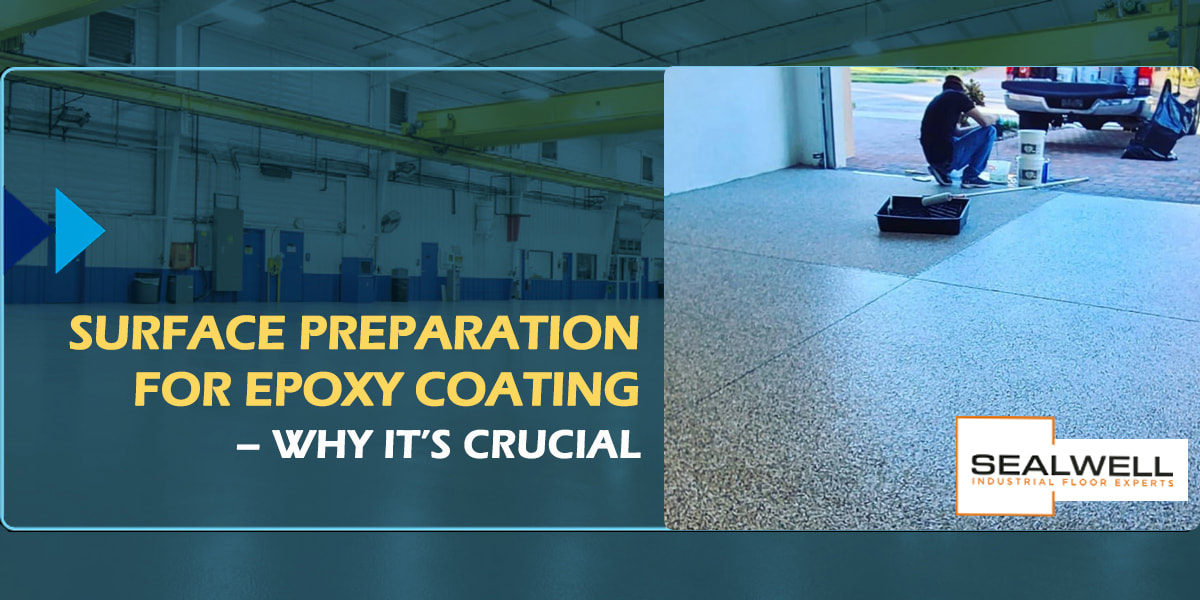 Epoxy coating is a popular flooring solution for industrial and commercial spaces due to its durability, chemical resistance, and aesthetic appeal. However, achieving the desired results with epoxy coating largely depends on proper surface preparation. In this article, we'll explore the importance of surface preparation for epoxy coating and how to do it right.
Table of Contents
Epoxy Floors coating is a protective coating made of a two-part resin and hardener mixture that forms a tough, durable, and glossy finish when applied on concrete, metal, or other surfaces. Epoxy coating is widely used in industrial and commercial settings because it offers excellent protection against abrasion, chemicals, impact, and UV radiation. Why is Surface Preparation Important? The success of any epoxy coating project largely depends on the surface preparation process. Proper surface preparation ensures that the substrate is clean, dry, and free of contaminants such as oil, grease, dirt, and dust. Without proper surface preparation, epoxy coating may fail to bond well with the substrate, resulting in delamination, blistering, or peeling. Surface preparation also helps to level out the substrate, repair any cracks or damage, and create a rough surface for better adhesion. Types of Surface Preparation There are various methods of surface preparation for epoxy coating, depending on the substrate's condition and the desired finish. Here are the most common types of surface preparation:
Also read about, Stained Concrete Flooring vs Other Types of Flooring: Which is Best? Surface Preparation Procedures Surface preparation for epoxy coating involves several steps, including:
Epoxy Coating Application The final step is applying the epoxy coating using the recommended application method and thickness. It's crucial to follow the manufacturer's instructions regarding the mixing ratio, pot life, and curing time to ensure the best results. It's also essential to apply the epoxy coating within the recommended temperature and humidity range and avoid any moisture or contamination during the application process. Also read about, A Guide to Maintaining Your Warehouse Flooring for Longevity Common Surface Preparation Mistakes Surface preparation for epoxy coating requires careful attention to detail and proper execution to ensure the desired results. Here are some common mistakes to avoid during the surface preparation process:
Conclusion Surface preparation is a crucial step in achieving a successful epoxy coating project. Proper surface preparation ensures that the epoxy coating adheres well to the substrate and provides the desired protection, durability, and aesthetics. By following the right surface preparation procedures and avoiding common mistakes, you can ensure a high-quality epoxy coating project that meets your expectations. FAQs Q. What is the recommended surface temperature for epoxy coating application? A. The surface temperature should be between 50°F and 90°F for optimal adhesion and curing. Q. Can I apply epoxy coating on a damp surface? A. No, the surface must be completely dry before applying the epoxy coating to prevent moisture from compromising the adhesion. Q. How long does epoxy coating last? A. Epoxy coating can last for several years with proper maintenance and usage. Q. Can I apply epoxy coating over an existing coating? A. Yes, but you need to ensure that the existing coating is in good condition, clean, and properly bonded to the substrate. Q. Is surface preparation necessary for small epoxy coating projects? A. Yes, surface preparation is necessary for all epoxy coating projects, regardless of size, to ensure optimal adhesion and durability. It's important to hire experts such as Sealwell Industrial Floor Experts who specialize in epoxy coating and surface preparation. They have the expertise, equipment, and knowledge to ensure that the surface is properly prepared before applying the epoxy coating. This will ensure that your epoxy coating lasts longer, is more durable, and looks great. Original Source, https://bit.ly/3nVObQh 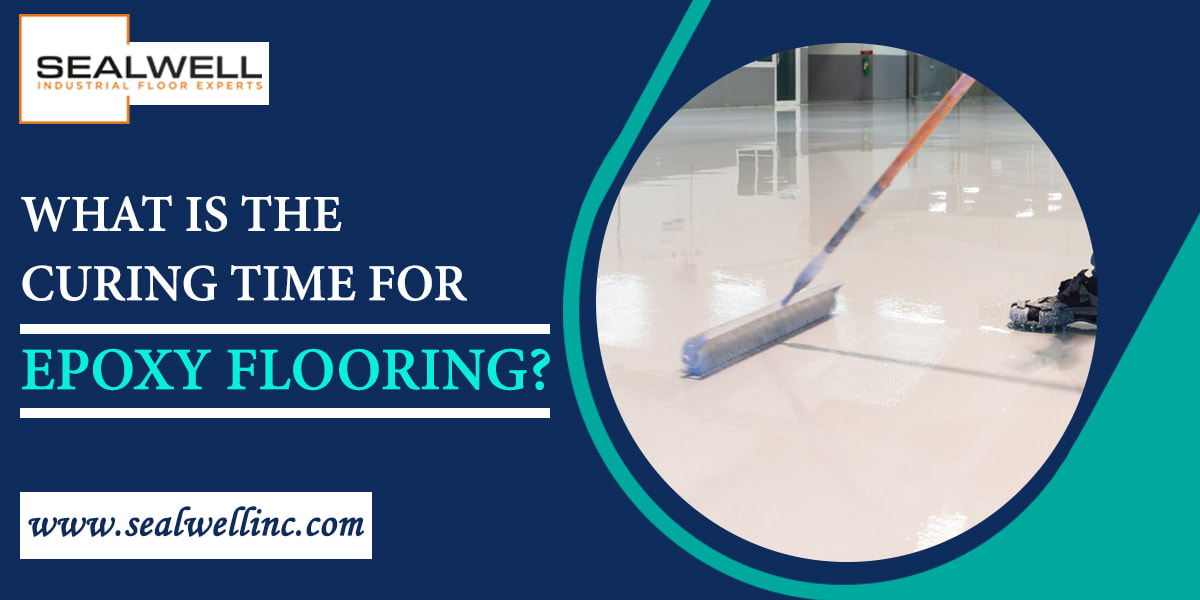 Curing is an important step in the set up of epoxy floors. It contains chemical response between the hardener and resin, which creates a cross-linked polymer community that types the stable surface and durable. The curing time for epoxy floor can be relying on numerous factors, including:
Why is curing time essential? Curing is essential for the performance, longevity, and appearance of epoxy floors. If curing time is insufficient, the epoxy will not harden properly, and flooring will be prone to damage, staining, and peeling. On the different hand, if curing time is too long, the epoxy can grow to be brittle and prone to cracking. Therefore, it is integral to observe the recommended curing time for epoxy flooring to make sure its optimal performance and longevity. The Importance of Proper Curing Proper curing is critical for the durability and lifespan of your epoxy flooring. Inadequate curing can lead to several issues, including: Risks of Inadequate Curing:
Also read about, Concrete Repair for Commercial and Retail Applications How to Ensure Proper Curing To ensure proper curing of your epoxy flooring, follow these tips: Tips to Ensure Proper Curing:
Conclusion Epoxy flooring is a popular and durable flooring solution for industrial and commercial spaces. However, the curing time for epoxy flooring can vary depending on several factors, including temperature, thickness of application, quality of application, and type of hardener used. Proper curing is critical for the durability and lifespan of the flooring, as inadequate curing can lead to cracking, chipping, poor chemical resistance, and safety risks. To ensure proper curing, choose the right epoxy flooring system, follow the manufacturer's guidelines, monitor the curing process, and wait for the full curing time. Original Source, https://bit.ly/3nL9TpR 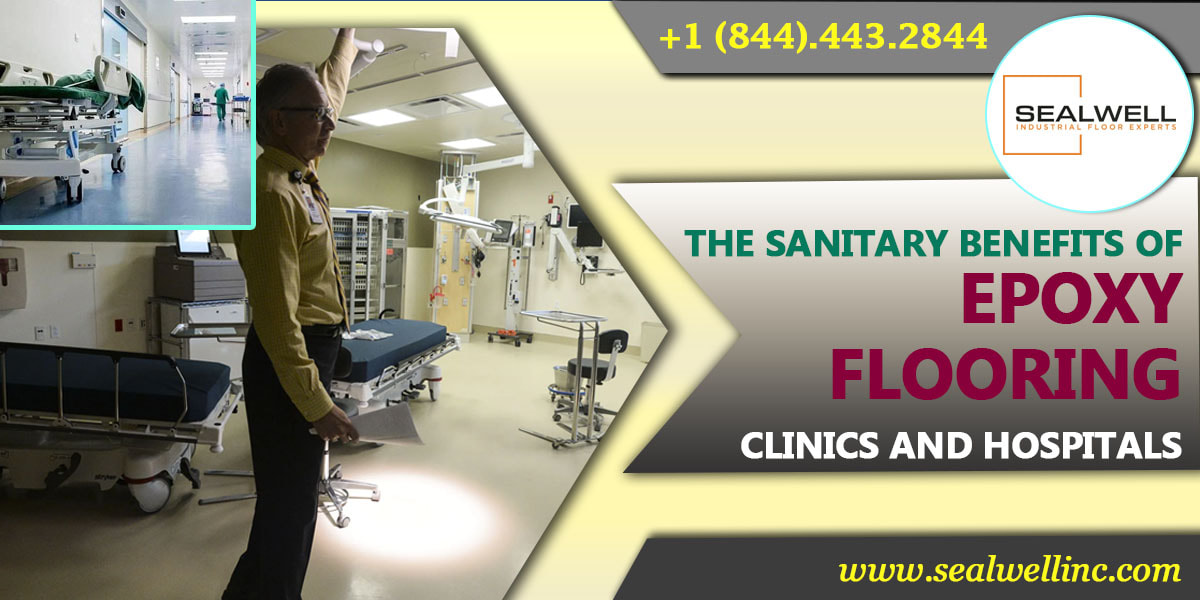 If you have ever visited a clinic or a hospital, you may have noticed that the floors are usually made of a special type of flooring material. This flooring material is known as epoxy flooring, and it has become increasingly popular in healthcare facilities due to its many benefits. In this article, we will discuss the sanitary benefits of epoxy flooring in clinics and hospitals. We will also discuss how Sealwell Industrial Floor Experts can provide expert installation and customization for your healthcare facility's specific needs.
- Epoxy Flooring for a Hygienic Environment One of the primary advantages of epoxy flooring in healthcare services is its low porosity. Unlike different flooring materials, epoxy floors do not allow for pathogens and other bacteria to grow on the surface. This makes it an ideal flooring option for hospitals and clinics, where cleanliness is of utmost importance. Epoxy flooring is very easy to maintain and clean. Its smooth surface makes it easy to wipe down, and it is highly resistant to chemicals, making it perfect for use in healthcare facilities where harsh disinfectants are often used. - Increased Safety with Epoxy Flooring Another advantage of epoxy flooring in the healthcare industry is its slip-resistant properties. The surface of epoxy flooring can become very slippery when wet, but a properly installed epoxy flooring has an anti-slip additive that provides traction and reduces the chance of falls. Epoxy flooring also provides a level surface, which is important for patients who use wheelchairs or walkers. Uneven flooring can be hazardous for these individuals, but epoxy flooring provides a smooth and even surface for safe movement. Also read about, Concrete Repair for Commercial and Retail Applications - Cost-Effective Option for Healthcare Industry Epoxy floor is a cost-effective option for the healthcare industry due to its long-lasting and durability properties. It can face up to heavy foot traffic and equipment, making it a smart investment for clinics and hospitals that see a high volume of patients. Epoxy flooring also requires minimal maintenance, which can save healthcare facilities money on cleaning costs. It is a highly long lasting durable material that can last for many years without needing to be replaced, making it a wise choice for facilities looking to cut costs without sacrificing quality. - Slip-Resistance for Healthcare Industry One important consideration when The Sanitary Benefits of Epoxy Flooring in Clinics and Hospitals healthcare facility is slip-resistance. Epoxy flooring can be enhanced with anti-slip additives, which improve the traction of the flooring and reduce the risk of slips and falls. Conclusion In conclusion, epoxy floors offer many benefits for healthcare facilities, particularly in promoting cleanliness and hygiene. Its seamless and non-porous surface, harsh chemicals, resistance to stains durability, and customization options make it the best for clinics and hospitals industry. When selecting flooring for a healthcare facility, it is very important to consider not only the aesthetic qualities but also the practical considerations, such as slip-resistance and ease of maintenance. Why Choose Sealwell Industrial Floor Experts? Sealwell Industrial Floor Experts is a leading provider of epoxy flooring solutions for the healthcare industry. With over 20 years of experience in the industry, we have the expertise and knowledge to provide high-quality flooring solutions that meet the unique needs of healthcare facilities. Our team of experienced professionals will work with you to assess your facility's needs and provide a customized flooring solution that meets your budget and timeline. Reference Url, https://bit.ly/3G4pPtA 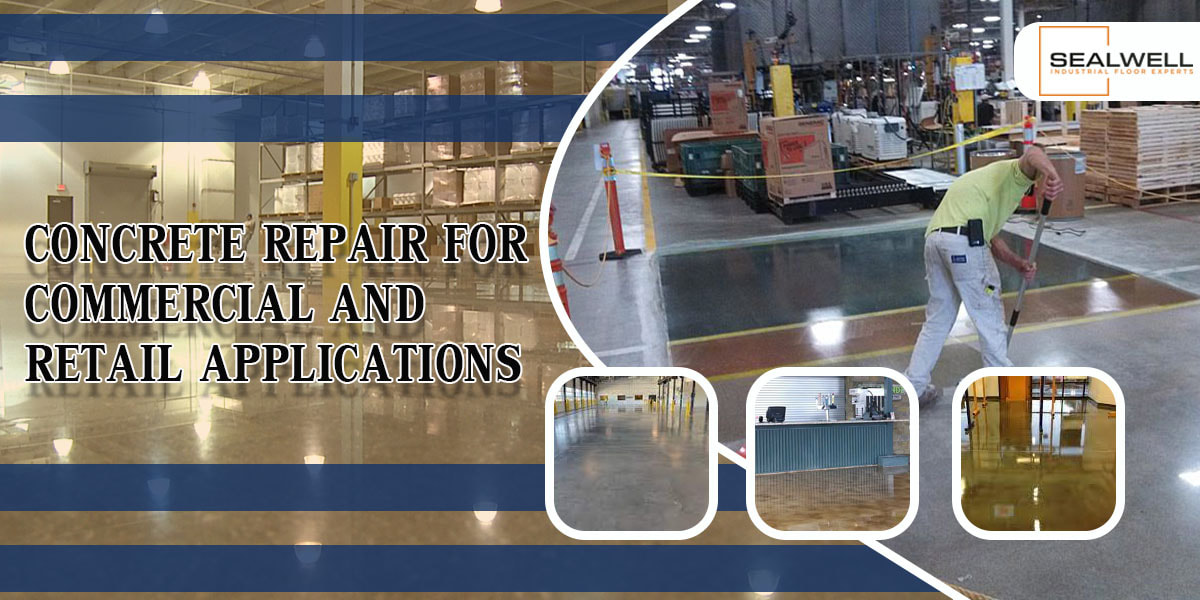 Concrete is a durable material, but it's not indestructible. Over time, it can crack, chip, and break, creating a safety hazard and an unsightly appearance. For commercial and retail applications, damaged concrete can turn away customers and reduce property values. In this article, we'll discuss the importance of Concrete resurfacing or concrete repair for commercial and retail applications, the common causes of concrete damage, and the different types of repair methods available.
Importance of Concrete Repair for Commercial and Retail Applications Commercial and retail properties need to maintain a clean and safe appearance to attract and retain customers. Concrete damage, such as cracks, potholes, and uneven surfaces, can create a tripping hazard, which can lead to lawsuits and insurance claims. Repairing damaged concrete can also extend the lifespan of the surface, reducing the need for costly replacements. Causes of Concrete Damage There are several causes of concrete damage, including:
Also read about, A Guide to Maintaining Your Warehouse Flooring for Longevity Types of Concrete Repair Methods There are several different types of concrete repair methods available, including:
Conclusion Concrete repair is an essential part of maintaining the safety and appearance of commercial and retail properties. By understanding the common causes of concrete damage and the different types of repair methods available, property owners can make informed decisions about repairing and maintaining their concrete surfaces. FAQs Q. How long does it take to repair damaged concrete? A. The time it takes to repair damaged concrete depends on the extent of the damage and the repair method used. Some repairs can be completed in a few hours, while others may take several days. Q. Can concrete repairs be done in cold weather? A. Some concrete repair methods, such as epoxy injection, can be done in cold weather. However, other methods, such as concrete resurfacing, may require warmer temperatures. Q. How much does concrete repair cost? A. The cost of concrete repair depends on the extent of the damage and the repair method used. If you are in need of concrete repair services for your commercial or retail space, look no further than Sealwell Industrial Floor Experts. With 25 years of experience and a team of skilled professionals, they can handle any concrete repair project with ease. Contact us today to schedule a consultation. 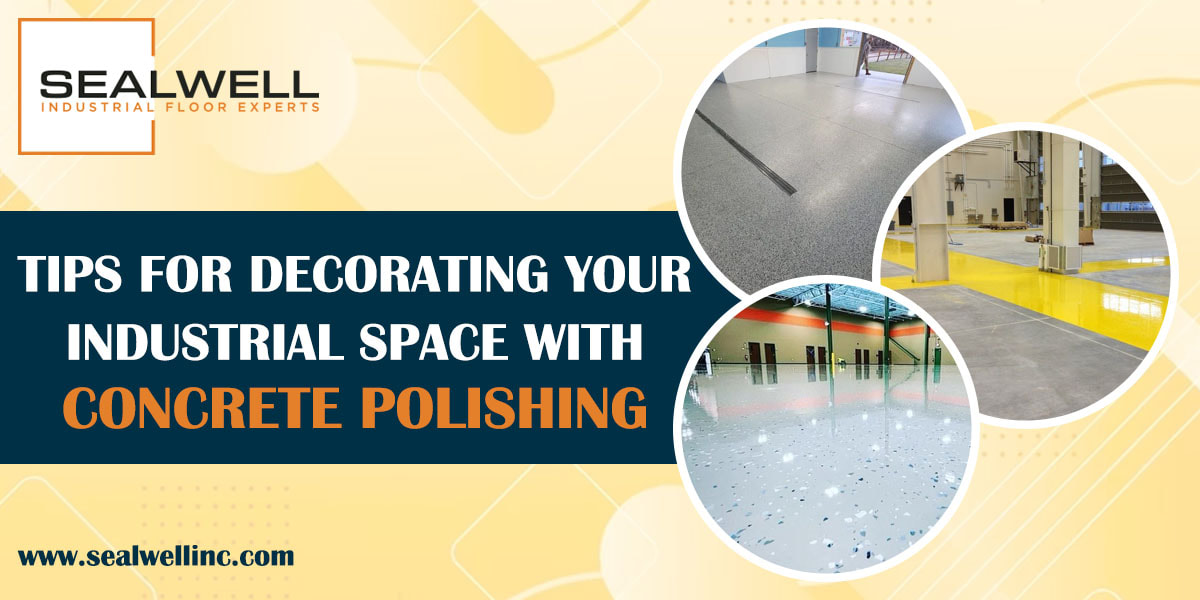 Concrete polishing is a process of smoothing and shining concrete surfaces using specialized polishing machines and diamond abrasive pads. The process involves several steps, including grinding, honing, and polishing, with each step using progressively finer grits of diamond abrasive pads to achieve the desired level of smoothness and shine.
The first step of concrete polishing involves grinding the surface with coarse diamond abrasive pads to remove any existing coatings, stains, or rough spots. Next, the surface is honed with finer diamond abrasive pads to create a smoother surface. Finally, the surface is polished with even finer diamond abrasive pads to achieve the desired level of shine. Concrete polishing offers several benefits, including increased durability, low maintenance, and improved aesthetics. Polished concrete surfaces are more resistant to wear and tear and are easier to clean and maintain than unpolished surfaces. They also have a sleek and modern appearance that can enhance the overall look and feel of any space. Here are 5 tips for Decorating Your Industrial Space with Concrete: Use Concrete as a Focal Point: Concrete is a versatile material that can be used to create interesting focal points in your industrial space. Consider using concrete walls, floors or even a concrete counter top in your kitchen or workspace. Play with Texture: Concrete can be polished to a smooth, glossy finish or left with a rough texture for a more natural, industrial look. Mix it up by pairing rough concrete walls with smooth concrete floors or vice versa. Add Some Color: Although concrete is often associated with its natural gray color, it can be tinted or stained to create a range of colors. Consider adding a splash of color to your concrete floors or walls to add some visual interest to your space. Also read about, Transform Your Industrial Space with Professional Epoxy Flooring Contractors Combine with Wood and Metal: Concrete pairs well with other industrial materials such as wood and metal. Consider using concrete as a base for wooden furniture or pairing concrete floors with metal accents. Mix Old and New: Industrial spaces often have a mix of old and new elements. Embrace this by using concrete in combination with vintage or reclaimed materials such as old doors or salvaged wood. This will help create a unique and visually interesting space. Concrete polishing is commonly used in commercial and industrial settings, but it is also gaining popularity in residential applications, such as polished concrete floors in homes and apartments. It is an affordable and eco-friendly alternative to other flooring options . Sealwell industrial floor experts are the number one choice for concrete polishing FL, and polished concrete GA treatments. Our qualified professionals have years of experience and will perform an excellent job on any floor surface. Call today at +1-(844) 443-2844 to receive a free quote on one of our many professional floor treatments! Epoxy flooring is a type of resin-based flooring system that consists of a mixture of two main components, a resin and a hardener, which are mixed together and then applied to the surface of a concrete floor. Once the mixture is applied, it forms a hard, durable, and seamless surface that is resistant to stains, chemicals, and impacts. Epoxy flooring is commonly used in industrial and commercial settings, as well as in residential garages and basements, due to its durability and low maintenance requirements. Additionally, epoxy flooring can be customized with various color and design options to create a unique and attractive flooring solution. 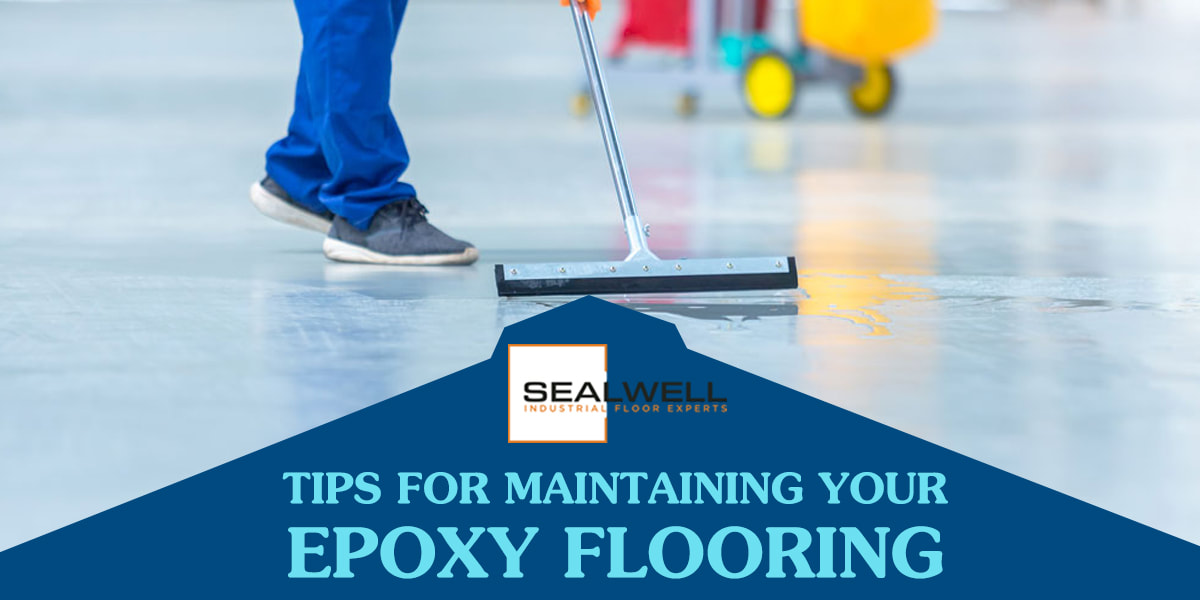 Here are some tips for maintaining your epoxy flooring:
Also read about, Coloring & Finishing Options For Polished Concrete Floors Benefits of Epoxy Flooring Here are some of the benefits of epoxy flooring: Durability: Epoxy flooring is incredibly strong and resistant to wear and tear, making it ideal for high-traffic areas. Low Maintenance: Unlike other types of flooring, epoxy requires very little maintenance, which makes it a cost-effective solution in the long run. Chemical and Stain Resistance: Epoxy is resistant to a wide range of chemicals and spills, making it ideal for use in industrial and commercial settings. Seamless Surface: Epoxy forms a seamless surface that is easy to clean and maintain. It also eliminates the risk of dirt, debris, and moisture seeping through cracks and crevices in the floor. Aesthetics: Epoxy flooring can be customized with various color and design options, making it a versatile and attractive solution for any space. Improved Safety: Epoxy flooring provides a slip-resistant surface, which helps reduce the risk of slips, trips, and falls, especially in industrial and commercial settings. Quick Installation: Epoxy flooring can be installed quickly and efficiently, reducing downtime and allowing businesses to get back to operations sooner. Epoxy Flooring Contractor in Florida: Sealwell Industrial Floor Experts Sealwell Industrial Floor Experts is a professional who specializes in installing epoxy flooring systems. They are responsible for preparing the concrete surface, mixing and applying the epoxy mixture, and ensuring that the flooring is installed to the highest standards. A good epoxy flooring contractor will have experience with various types of epoxy flooring systems, as well as an understanding of the different requirements for different types of spaces. Get free quotes from Sealwell Industrial Floor Experts for hiring services at estimated prices. Connect with us by calling +1-(844).443.2844, or touch us via mail [email protected] Original sourece, https://bit.ly/3JvMOAt Concrete flooring can be more than just a gray floor; there are numerous coloring and finishing options available. You might be surprised to learn that polished concrete can be stained in any color and even incorporate your company's logo. Concrete can be made to resemble wood. Only polished concrete provides you with this many options. Custom Concrete Creations is a market leader in decorative concrete. We are experts in decorative concrete flooring, including polished and Stain concrete flooring. Many of these finishes will protect the concrete floor as well. 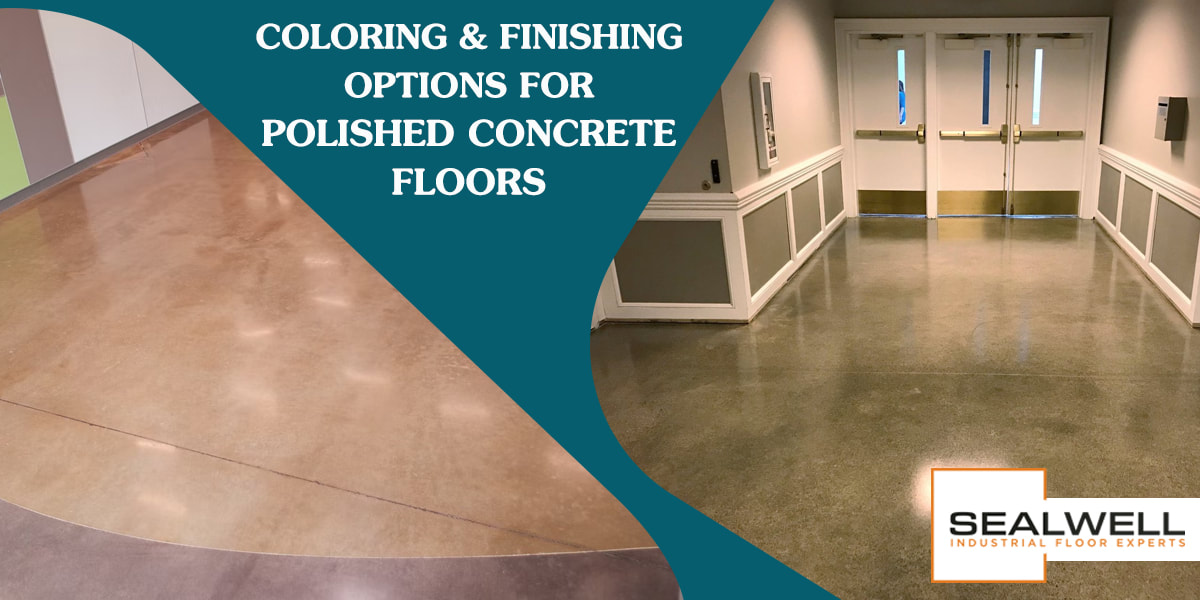 Look at how these color and finishing options can enhance your space!
Also read about, 5 Reasons Epoxy Flooring is Essential in Your Parking Garage
Start a Stained Concrete Floors Project With Us If you want to improve the look of your space, starting with the flooring is a great place to start. Sealwell Industrial Floor Experts can assist you whether you want to improve your existing concrete floors or install new concrete floors. Under your flooring is most likely already a perfect slab of concrete. Contact us today to discuss your project. Call us today at +1-(844).443.2844 or email us via [email protected]. 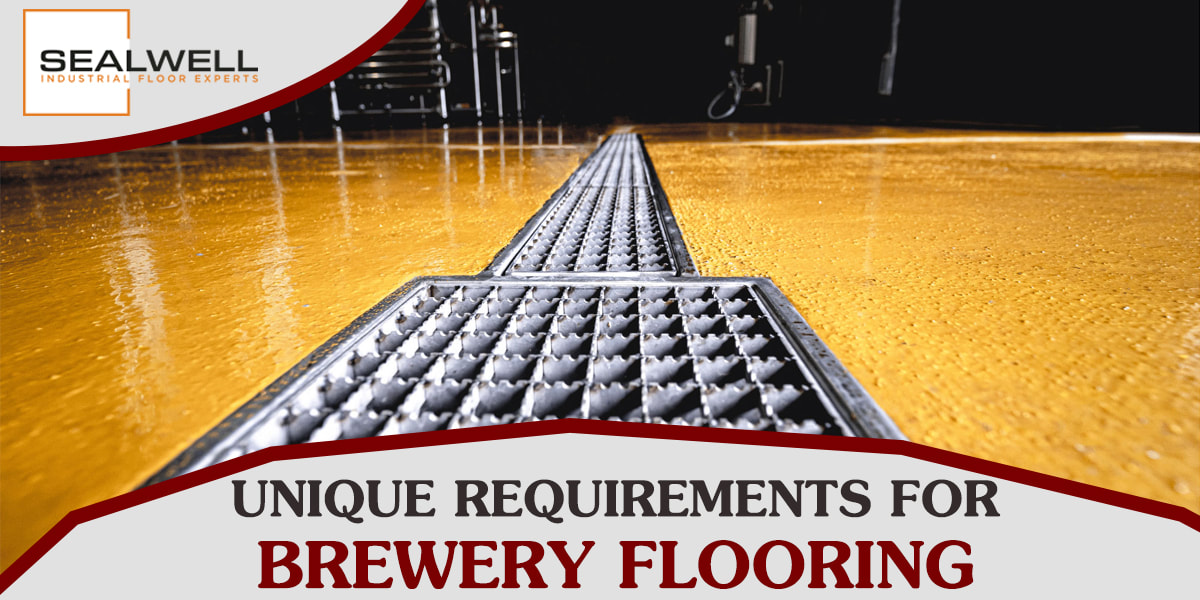 Brewery flooring needs to be durable, slip-resistant, easy to clean, and able to withstand exposure to chemicals and high temperatures. It should also be able to withstand heavy loads and foot traffic. Epoxy and polyurethane floor coatings are commonly used in brewery flooring due to their durability and resistance to chemicals. Additionally, brewery flooring should be non-absorbent to prevent the growth of bacteria, and should have a slight slope to allow for proper drainage.
WHAT ARE SOME OF THE OPTIONS IN BREWERY FLOORING AVAILABLE? There are several options available for brewery flooring, including: Epoxy Flooring: This is a popular choice for brewery flooring due to its durability and resistance to chemicals. It can be applied in a variety of colors and finishes, and is easy to clean. Polyurethane Flooring: This type of flooring is also resistant to chemicals and has a high level of durability. It is often used in areas that receive heavy foot traffic. Also read about, Creating Beautiful Stained Concrete From Start To Finish Vinyl Composite Tile (VCT): VCT is a cost-effective option for brewery flooring and is easy to maintain. It is also slip-resistant and can withstand heavy loads. Concrete Flooring: Concrete flooring is a durable and long-lasting option for brewery flooring. It is easy to clean and can be sealed to make it resistant to chemicals. Quarry Tile: Quarry tile is a ceramic tile that is slip-resistant and can withstand heavy loads. It is suitable for brewery flooring and is easy to clean. Terrazzo Flooring: Terrazzo flooring is made of small pieces of marble or glass that are embedded in a cement or epoxy binder. It is durable and easy to clean, but can be more expensive than other options. It’s also worth noting that the selection of the flooring option will also depend on the specific brewery area and the type of production process. BREWERY FLOORING CONTRACTORS IN FLORIDA, GEORGIA AND ALL OVER UNITED STATES There are a number of brewery flooring contractors that specialize in installing and maintaining flooring systems for breweries. Sealwell Industrial Floor Experts specializes in installing epoxy and polyurethane flooring systems for breweries and other industrial facilities. We also provides a wide range of flooring systems for commercial facilities. Get a free quotes today from Sealwell Industrial Floor Experts for hiring services at very affordable prices. Connect with us by calling +1(844).443.2844, or touch us via mail [email protected] Original Source, https://bit.ly/3WplFSE Epoxy Floor coatings are usually used for Industrial and commercial flooring contractors. Epoxy coatings are archetypally applied over concrete flooring to supply a smooth and robust surface that may last several years and withstand heavy loads. Industrial sites, warehouses, and commercial buildings rely on epoxy floors to preserve safe and clean conditions for workers, equipment, and inventory. 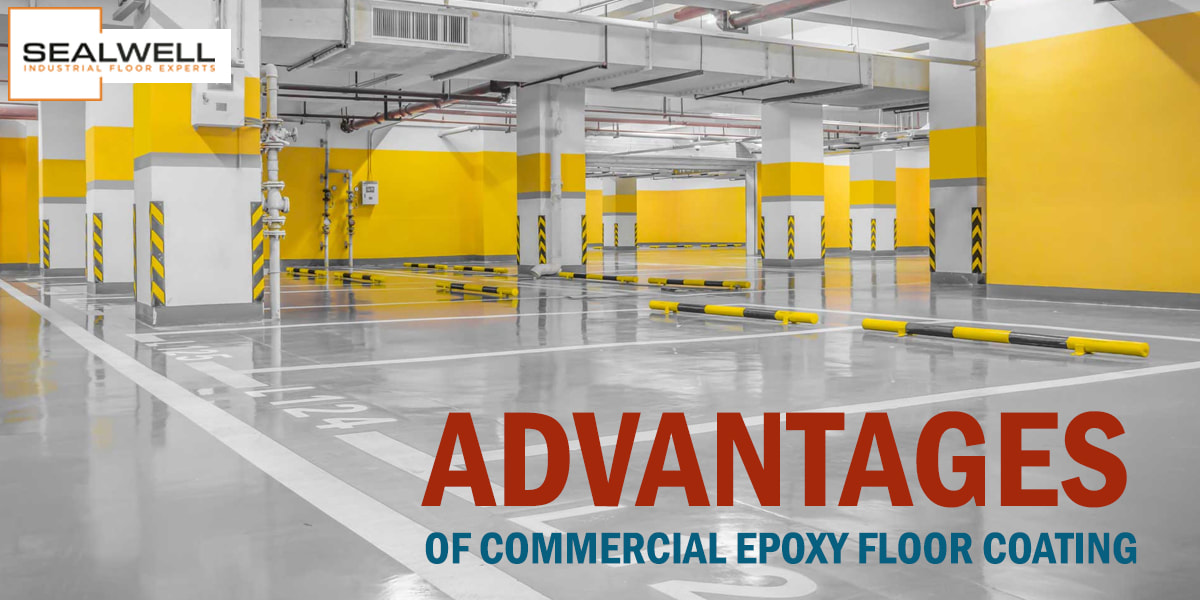 Epoxy Floor Coating Preparation
An Epoxy Coating necessitates a clean and somewhat permeable surface to adhere appropriately. May not bond to polished or sealed concrete. The concrete must also be absolutely cured. Before employing epoxy floor coating, it's significant to patch and repair all chips and cracks in the concrete surface and to remove all grease. In case the concrete is old, test the surface for preceding layers of epoxy or other goods that could have been implemented through the years. To test for sealant, pour a bit of water onto the floor. It ought to soak in. In case the water beads on the surface as opposed to bathing inside, it likely has been sealed and may not be suitable to get an epoxy coating. Also read our blog for, 5 Reasons Epoxy Flooring is Essential in Your Parking Garage Prior to applying an epoxy coating, ensure that the temperature is appropriate, and follow all manufacturers’ recommendations. Temperatures may cause the epoxy to peel and bubble. Epoxy is a two-part liquid that you blend before application. After the product is mixed, you've a limited time to apply the epoxy coating before it begins to harden. Epoxy Floor Coating Advantages Epoxy floor coatings offer many benefits when compared with other traditional coatings applied over concrete:
Epoxy flooring coatings are mainly used for industrial and commercial flooring. Epoxy coatings are normally applied over concrete floors to give a high- performance, durable and smooth surface. For more details, you can call Sealwell Industrial Floor Experts on +1-(844)-443-2844 or email us at [email protected]. |
AuthorSealwellinc offer one of the best Industrial Epoxy Flooring and Commercial Epoxy Flooring service in Orlando, FL, Boca Raton, FL and Marietta, GA Archives
April 2023
Categories
All
|
 RSS Feed
